Seven hundred years of Jewish history in the city.
Duration4 hours
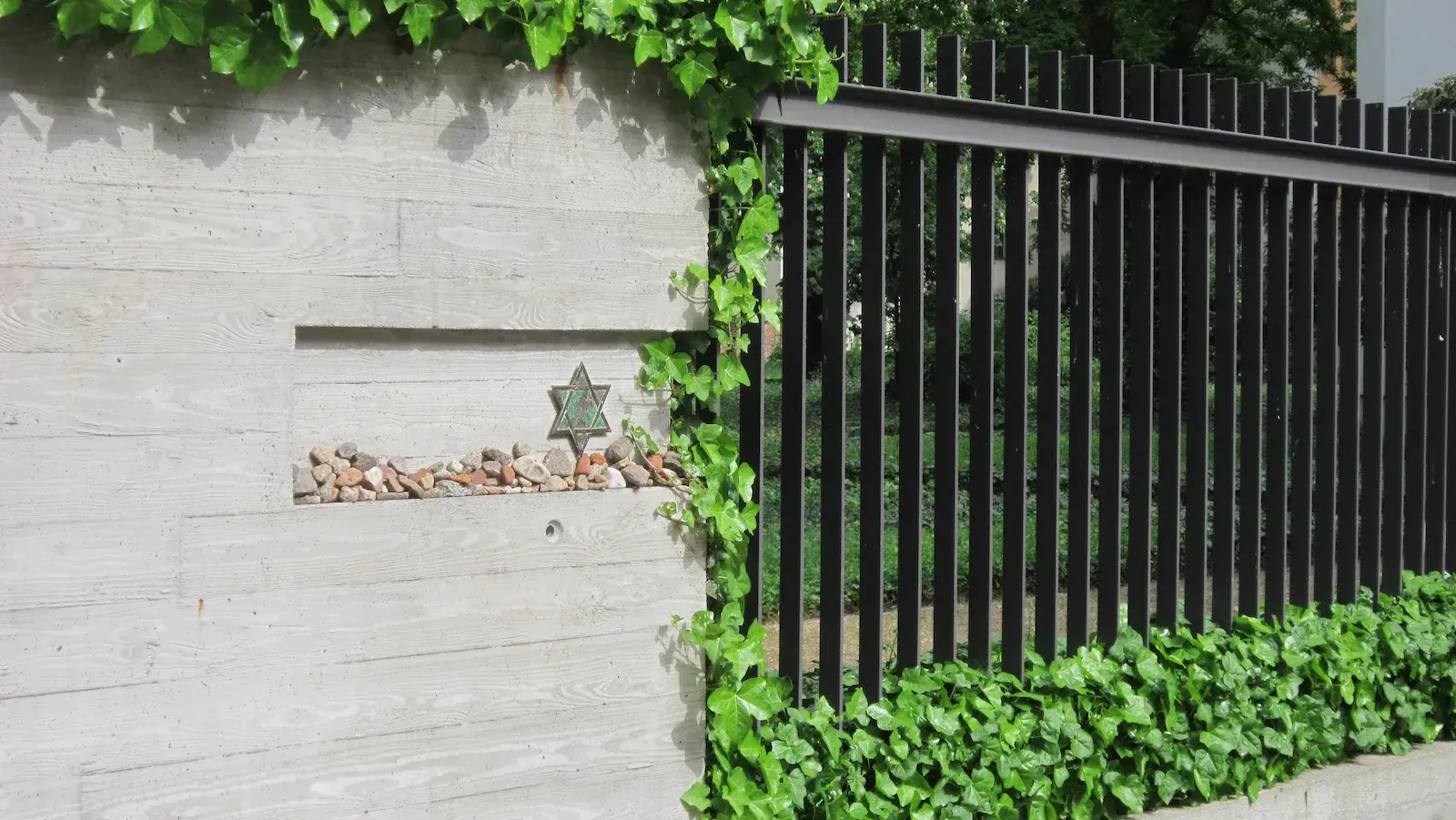
When the Nazis took power in 1933, Berlin was home to Germany's largest Jewish community — a group that had shaped the city's art, industry and science at the very top.
We start at St. Mary in the old heart of the city, talking about medieval pogroms and the new beginning that came with Prussia's policy of religious tolerance in the late 17th and 18th centuries. At the edge of the former Old Town, you'll meet Moses Mendelssohn and follow his path from outsider to celebrated philosopher and founder of the Haskalah, the Jewish Enlightenment. At the Humboldt University we talk about Berlin's most famous professor, Albert Einstein, and on Museum Island you'll learn what the city owes to James Simon.
From there we walk the streets and courtyards around the New Synagogue and follow the story of Inge Deutschkron, a young Jewish woman and her attempt to survive in hiding. Along the way we'll stop at Otto Weidt's workshop for the blind, a place of hidden survival, the ruins of the old Jewish cemetery, and see how Jewish life in Berlin has found an unexpected renaissance today.
This tour can be extended to include the Track 17 memorial in Grunewald and the Bavarian Quarter in Schöneberg.
Highlights
- Gendarmenmarkt and Prussia's policy of religious tolerance
- Moses Mendelssohn and the Haskalah, the Jewish Enlightenment
- Albert Einstein at Humboldt University, and James Simon's legacy on Museum Island
- The New Synagogue and the story of Stella Goldschlag
- Otto Weidt's workshop for the blind, and the old Jewish cemetery
- Track 17 memorial and the Bavarian Quarter (extended tour)
Dennis did a truly exceptional job presenting such a difficult and important subject. The experience was incredibly informative, thoughtfully structured, and deeply engaging from start to finish. He conveyed the historical facts with sensitivity and clarity, while also offering powerful personal insights that brought the Holocaust's impact into sharp focus.
AshleyL · 2025